

Windows of Blooming Alfalfa
As a child, the stories my mother told about her village wove a map of curiosity within me. I dreamed of the moment when I would travel those roads by land...

This post was originally written by us in another language [here]. This English version was translated with Google Translate and lightly reviewed.
As a child, the stories my mother told about her village wove a map of curiosity within me. I dreamed of the moment I would travel those roads by land, roll down the windows to feel the fresh air, and discover the places where my grandparents had lived. For me, that village was the point of origin—a path to my lineage and heritage.
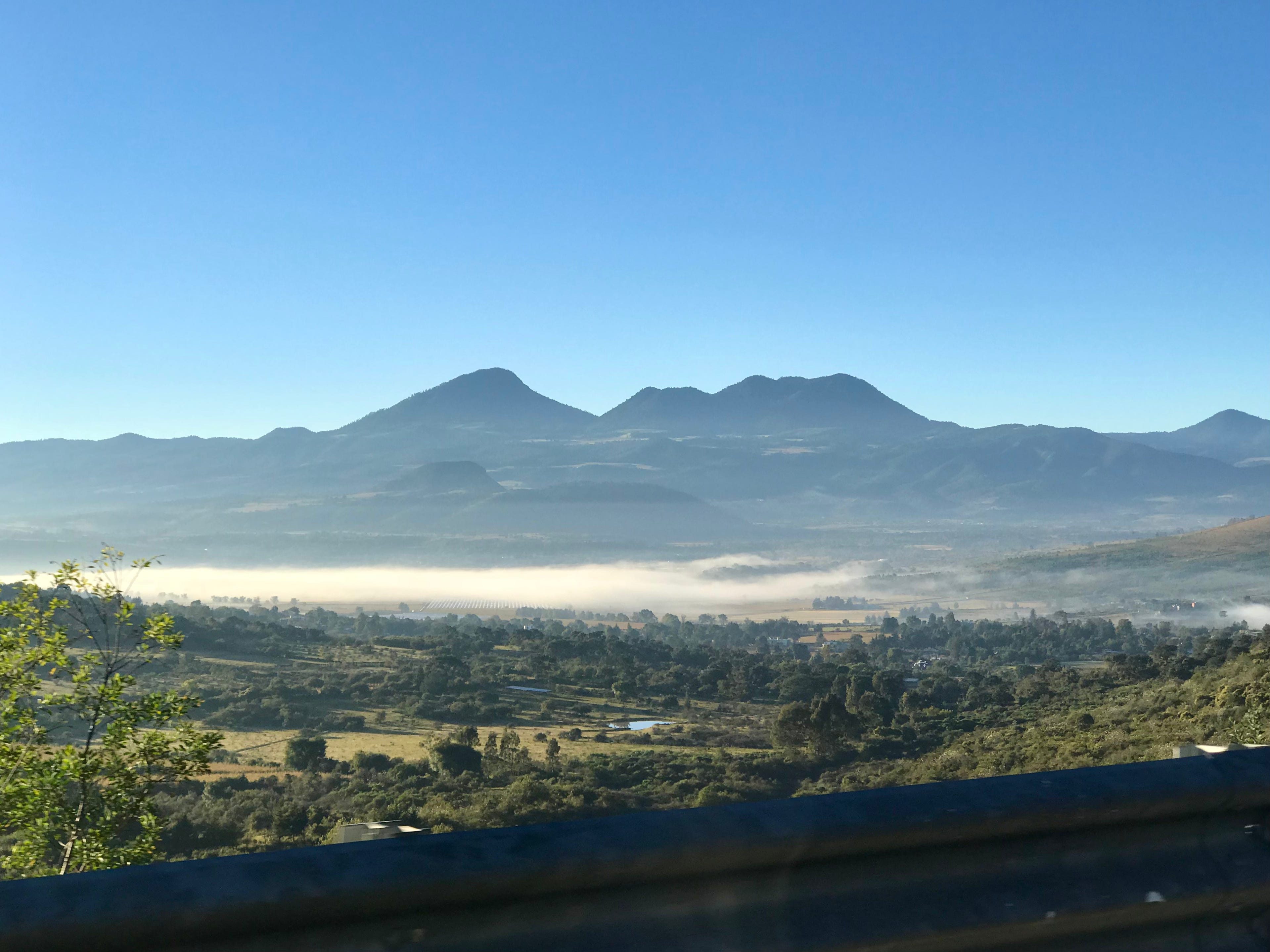
At first, we traveled by bus and train. The slow pace made the journey special, and quiet contemplation became a fascinating force—a detailed observation that sharpened my thoughts. From those windows, the outside world transformed into an intimate experience; I observed the contours of a different place and a different way of life. I watched fields shift from blue to purple with blooming alfalfa, to the green of young corn, or the gold of ripening wheat; I saw herding and sowing. My sense of wonder grew with every nuance of life outside my daily routine—a life that was constantly changing.
Upon arrival, we would go to my mother’s childhood home. The people from her stories were there—now elderly, yet with voices of their own. We would ride out into the fields on the horses my grandfather claimed to be gifting us. They never truly became ours—we all knew we wouldn’t be taking them home—yet every time we returned, he would “gift” them to us again, and every time, we believed him. He would rig up swings for us in the trees by the river. With his weathered farmer’s hands, he would roast ears of corn and toast tender fava beans directly over the fire. We ate what he harvested and what his animals provided; best of all, the tortillas, the corn, and the new stories all tasted of my mother’s memories. That is how a few years went by.
Later, the passenger train route was discontinued, and the journey to our roots was transformed. We continued to travel by bus. That change was the first sign—with the loss of the train—that other absences would soon touch our circle. The nature of the journey shifted, though I remained by the window, watching the transformations unfold. Those chapters of life came to a close with the irreversible loss of my parents. The house remained in the hands of relatives with whom I no longer felt a close bond, yet I continued to visit the village until there was no one left waiting at the door. I discovered the ultimate meaning: the path back to my roots—which had once offered me warmth—now confronted me with the need for acceptance.
On those journeys, where the purpose of being there for others outweighed any desire for comfort, I have always sought out the windows. They have become my anchor. I look for them with the same eagerness I felt during my earliest trips, wanting to witness the persistence of life—how the fields grow and the crops endure—and I remain attentive to every detail. It is an unwavering hope that the land and its cycles will not wither, and that I might continue to gaze upon the blue alfalfa in its eternal bloom, a reminder of where I come from. Just as a deep-rooted plant flourishes after every cutting, life springs forth with equal beauty in the wake of transformation. In a life defined by duality, a sense of wonder coexists within the ordinary.
Unforgettable childhood memories